“Pop” it Like It’s Hot

Yes, we’ve all seen the new smartphone feature craze, Pop-up Selfie cameras. That’s the new gimmick all manufacturers have been adding to their latest phones and while they certainly look VERY futuristic and make the screen look BEAUTIFUL, they have their downsides which may turn this “feature” into a “gimmick” for some people. But first, we should know the reason why we need to make our phones look like they were made as a prop for the next star trek.
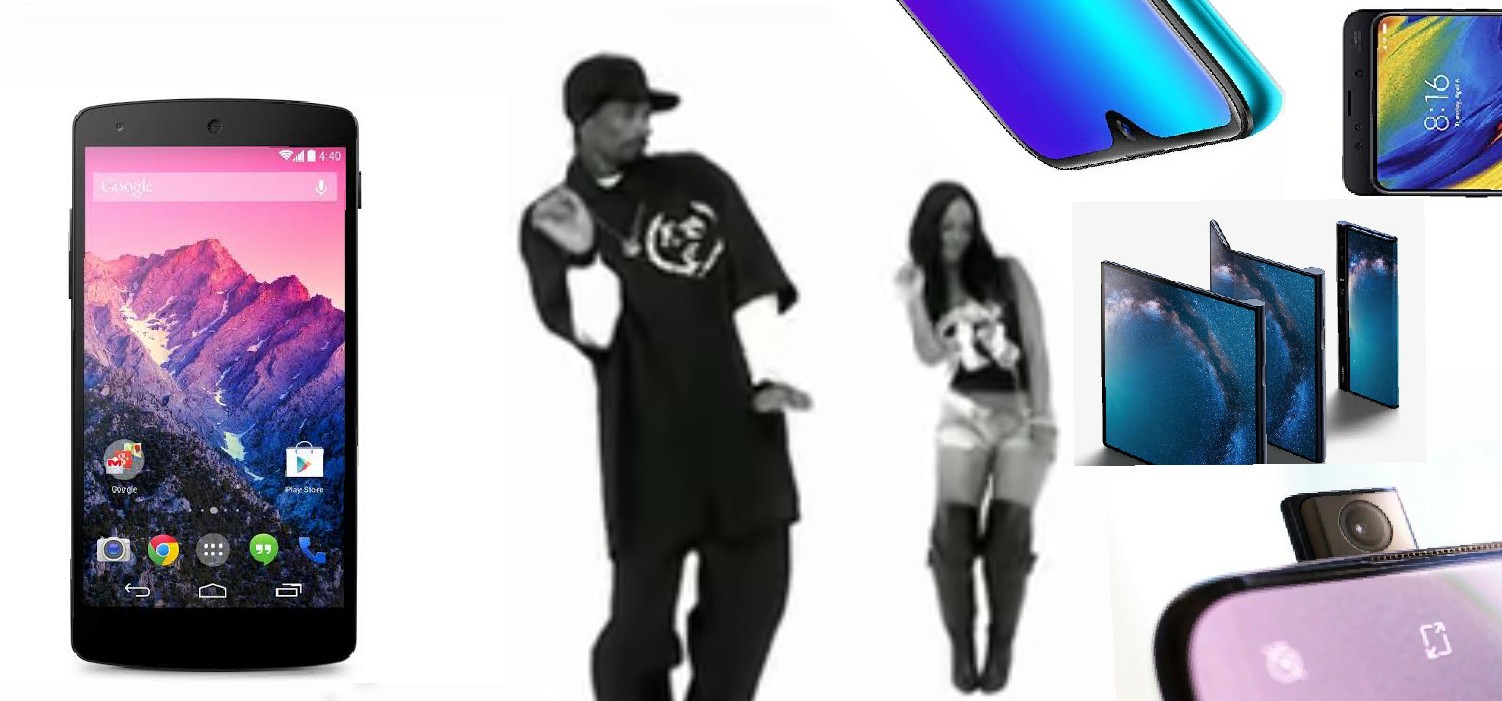
The whole reason behind this emergence of pop-up cameras is the same as the reason for the creation of the notch, to reduce bezel sizes. Bezels are the black (or colored, depending on your phone) bars that surround the display. Now, I agree, lesser and thinner bezels have lead to generally sleeker and better-looking phones but, manufacturers are now going over-the-top with their ways to squeeze the bezels

Let’s look at some of them :

  • The Notch: the earliest attempt at greatly reducing bezels and probably the most down-to-earth out of all of them. Basically, manufacturers cut out a part of the top of the display to fit in the front camera/s and the front sensors AND have a bit more screen at the same time. Now, there were a couple of phones who did it before Apple released their iPhone X and EVERY SINGLE manufacturer started making phones with the notch, varying in shape and size. From the regular rounded rectangle to the waterdrop to the squared drop, almost all of them were born from manufacturers trying to imitate Apple and to ‘Improve’ their design.
  • The Slider: it was first introduced with the entry of the Nokia 7650 in 2002. Now, since then, smartphones have changed in every single aspect, from design to function. The slider was brought back from the grave most notably with the oppo find X, but that was motorized unlike the old days. Xiaomi was the one to properly resurrect the slider with their Mi MIX 3, which featured a fully functional slider, powered by the user and many others followed.
  • The Pop-up Selfie Camera: now, the heart and soul of this blog’s title, the ‘pop’-up selfie camera was made to eliminate the need for notches or sliders. Well, there’s not much to say about it, the entirety of the front of the phone is screen and all the sensors and the camera unit is stuffed into a small, motorized unit which rises from the top of your phone whenever you require the camera and/or the sensors. It’s a basic concept but it looks pretty futuristic and fun.

Now, all of these have their benefits, the notch is plain and gives more durability than the other two, the slider looks and feels AWESOME and the pop-up makes your phone feel like a cool prop from a sci-fi movie. But every coin has two sides, which means that all of these have their downsides, the notch makes the top of the phone look awkward and gives less space for primary sensors, the slider mechanism can become a home for dust and gunk and scratch the camera and the back of the screen, the pop-up has the same issue, it’s another moving part which decreases durability and may break or get stuck.

All I’m asking you to do is consider what you’re gaining and what you’re losing and THEN make a choice. Don’t follow the advertisement just because it looks cool, hold up, wait a minute, take a deep breath and then think. Think about what you can compromise and what you cannot.

Fake Face Unlock?

Alright, in this day and age almost everyone in India has a smartphone and a good number of them have recently started displaying the option to use ‘Face Recognition’ or ‘Face Unlock’. Now, I know that the process of unlocking your phone just by looking at it looks and feels pretty cool and futuristic and I agree, it feels awesome. But if we are to trust a piece of technology, we must first know everything about it.

There are two types of implying this feature:

A. Infrared (IR) – this works by projecting millions of tiny dots on your face using an IR blaster and then using an IR camera to detect the specific arrangement of said dots and if it matches the previously recorded one, it unlocks your device. It’s secure enough NOT to be fooled by pictures of the person and it mostly works even through sunglasses and works in the dark. Examples are Apple’s FaceID and any phone which has Dim lights near its selfie camera.

B. RGB (Camera) – this works by taking a picture of the person using the selfie camera and every time the screen wakes up, the phone uses the camera to look for the user and if it finds a match, it unlocks the phone. It’s really easy to fool using images or even people that look similar and it mostly doesn’t work with sunglasses or in the dark. Examples are Every phone that displays the feature but doesn’t have the disco lights :p

Annnd then there’s the love child of these two, Samsung’s IRIS scanner which also uses an IR system to unlock BUT only for the user’s EYES. it basically records the patterns on the user’s iris, which is unique for everyone mind you, but it doesn’t work with sunglasses as you have to stick your phone about a finger’s distance from your face for it to work. It’s the most secure of the three but loses a lot of usability points because no one likes to “look me in the eyes” their phone to unlock it.

Now, this is still a small development in the field and it still has a long way to go. A lot of people have started trusting it with their money but, with the exceptions of phones which use Infrared sensors to imply this feature, THIS IS NOT SECURE!

So, top obsessing over the feature and wait until it’s completely developed.

All The Fuzz About Privacy

It seems like, every living soul on this planet with a pen to write and forum to post to, is talking about digital privacy. More than half of them are usually have the same things to say, that applications, organisations and services are stealing your private data and selling it.

All of my news feed about technology is mostly full of headlines like “HUAWEI FINED FOR SENDING USER DATA TO THE CHINESE GOVERNMENT” and “FACEBOOK SUED BILLIONS FOR LEAKING USER DATA” and while most of them are true and genuinely nefarious, some just make a bunch of innocent softwares and devices look bad.

For Example, The Huawei Matebook 13 Boasts high-performance specs for Mid-level price of 999 usd (69872 inr), but is still not clearly recomended by any major website or channel because of HUAWEI’s reputation of leaking user data to the chinese Government. Due to China’s involvement in the tech giant, the US government has restricted government employees from using Huawei devices ENTIRELY under the pretext of protecting crucial data.

And this makes the product and the company as a whole look bad. Worse than it should. I mean, sure nobody wants their personal data to be seen by anyone without one’s consent. But this goes both ways, as in the Chinese government does not want to be going through laptops and phones with are filled with YouTube thumbnails and cat videos.

It’s stuff like this that I want to point out. Because a really good and affordable product doesn’t get the credit (and the sales) it should, just because of potential issue that people highlight as a ‘Deal-Breaker’.

Hi people! This is my first blog post. Thanks for spending a few minutes of your day on my thoughts! I will be posting a couple of more of these mostly dedicated to technology and science and will be trying to make them as easy to understand as possible, while keeping the knowledge at formidable level. If you like my work, I’m grateful. If you don’t like it, you can help me improve by giving feedback and constructive criticism. Goodbye!